


Vietnam, with its captivating beauty ranging from the legendary Ha Long Bay to the colourful ancient streets of Hoi An, has become a top “must-visit” destination for Australian travellers. However, before stepping onto that first plane, there is one crucial legal question that needs a clear answer: “Do Australians Need a Visa for Vietnam?”
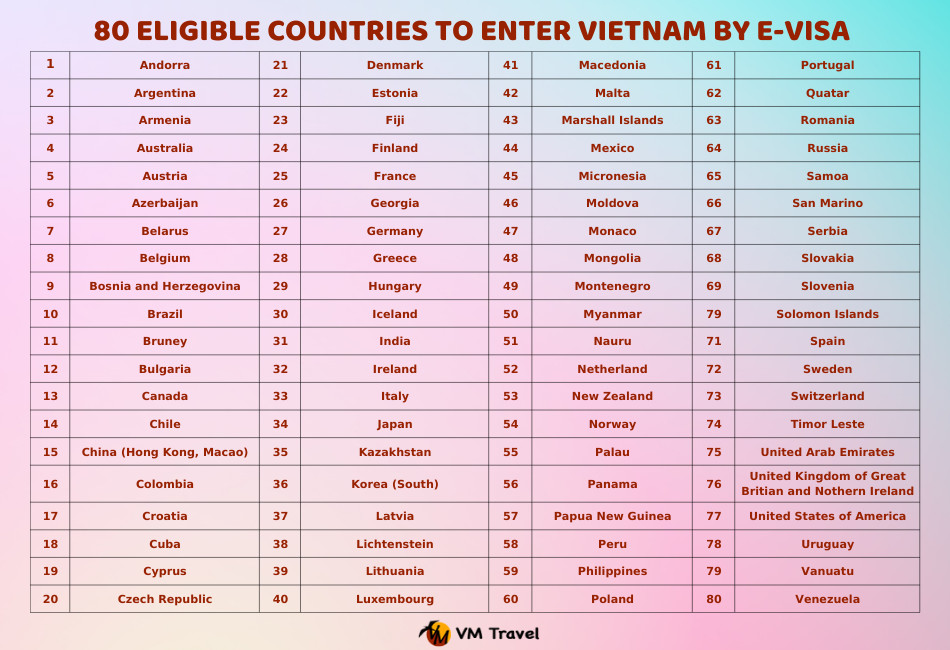
Many people mistakenly believe that there is a bilateral visa exemption policy, but the clear answer is YES, Australian citizens are required to obtain a valid Visa to enter Vietnam. The good news is that the process has become incredibly convenient! With the new Vietnam E-visa policy extended up to 90 days, planning a comprehensive exploration from North to South has never been easier.
This article will delve into everything you need to know: from applying for the 90-day E-visa to essential tips on the ideal duration and best time to travel. Let us help you prepare your journey to make your Vietnam adventure the smoothest and most memorable one yet!

Do Australians Need a Visa for Vietnam? Requirements & E-visa Update
Show table of content
- 1. Do Australians Need a Visa for Vietnam?
- 2. Vietnam Visa Options for Australians
- 2.1 Vietnam E-Visa
- 2.2 Visa on Arrival (VOA)
- 2.3 Vietnam Embassy Visa
- 2.4 Visa Exemption Cases
- 3. How Long Can Australians Stay in Vietnam?
- 3.1 The 90-Day E-visa
- 3.2 Other Long-Term Visa Options
- 3.3 Critical Rules on Expiry Dates and Extension
- 4. How many day in Vietnam from Australia?
- 4.1 From 10 to 15 Days
- 4.2 From 15 to 20+ Days
- 5. Best time to visit Vietnam from Australia
- 6. Travel Tips for Australians Visiting Vietnam
- 7. Conclusion
1. Do Australians Need a Visa for Vietnam?
Planning your trip to Vietnam from Australia and asking yourself: “Do Australians Need a Visa for Vietnam?”
The short answer is YES, Australian citizens are required to obtain a valid Visa to enter Vietnam, regardless of whether the purpose is tourism, business, or visiting family. Vietnam currently does not offer a bilateral visa exemption policy for Australian passport holders.
- Crucial Note: Apply for your Vietnam E-visa at least 7–10 days before your scheduled departure date to ensure processing time.
- Most Common Visa Type: Tourist Visa or E-visa (Electronic Visa).
2. Vietnam Visa Options for Australians
2.1 Vietnam E-Visa
Vietnam e-visa is not only the most popular choice for Australian tourists but also for most tourists coming to Vietnam. It can be applied for entirely online via the official government website. Processing usually takes 5 – 7 working days.
Cost:
- Single-entry visa: 1 month and 3 months – 25 USD
- Multiple-entry visa: 1 month and 3 months – 50 USD
- Multiple-entry visa: 1 year – 135 USD
Accepted at 40+ international checkpoints including major airports (Hanoi, Ho Chi Minh City, Da Nang, Phu Quoc).
This is the easiest and most convenient choice for Australians traveling to Vietnam for tourism or short business trips.To apply for a Vietnam electronic visa (e-visa), you can visit the official website of the Vietnam Immigration Department’s e-visa portal: https://evisa.xuatnhapcanh.gov.vn and follow the step-by-step instructions provided on the site to complete your application.

2.2 Visa on Arrival (VOA)
Previously very common, but now only available if arranged through a travel agency before arrival. You will receive an approval letter by email, then collect your visa at the airport in Vietnam. Mostly used for longer stays or multiple entries.
The Vietnam Entry Approval Letter is an official document issued by the Immigration Department, allowing Australian citizens to obtain a Vietnam visa at international airport border gates, land border checkpoints, or at the Vietnamese Embassy/Consulate.
Depending on the purpose of entry, Australian citizens may apply for the following types of approval letters:
- Tourist Visa Approval Letter
- Business/Work Visa Approval Letter
- Family Visit Visa Approval Letter

2.3 Vietnam Embassy Visa
You can also apply directly at the Vietnamese Embassy or Consulate in Australia (located in Canberra, Sydney, and other cities). Suitable for those who prefer a traditional visa stamp in their passport before departure.
2.4 Visa Exemption Cases
- Holding a valid and unexpired Temporary Residence Card.
- Holding a valid and unexpired 5-year Visa Exemption Certificate.
- Holding a valid and unexpired APEC Business Travel Card.
- Entering Vietnam directly via Phu Quoc, staying only in Phu Quoc for no more than 30 days, and departing to a third country (not returning to another location within Vietnam).

3. How Long Can Australians Stay in Vietnam?
Vietnam remains a highly attractive destination, and a primary concern for many Australian travellers is understanding their authorized duration of stay. So, “How Long Can Australians Stay in Vietnam?” The duration of stay for an Australian citizen in Vietnam is not a fixed period but is entirely dependent on the specific type and validity period of the visa they apply for and are granted by the Vietnamese Immigration Department.
3.1 The 90-Day E-visa: The Standard Option for Australian Tourists
For the majority of Australian tourists and short-term business travellers, the Vietnam E-visa (Electronic Visa) is the most common and convenient option. Currently, the E-visa issued to Australian passport holders allows for a maximum stay of 90 days (Three Months). Crucially, this 90-day E-visa can be issued for either single-entry or multiple-entry. This means you can either stay continuously for 90 days or enter and exit Vietnam multiple times within that 90-day validity window.

3.2 Other Long-Term Visa Options
If your purpose is not strictly tourism and you require a longer stay, other traditional visa categories (usually applied for at the Vietnamese Embassy/Consulate in Australia) may allow for extended periods:
- Business/Labour Visa: Depending on the letter of invitation and the nature of work, these visas can grant stays of up to 6 months to 1 year.
- Family Visit Visa: If you are visiting close relatives or a spouse who is a Vietnamese citizen, you may be eligible for a visa valid for up to 12 months.
3.3 Critical Rules on Expiry Dates and Extension
The most vital rule for every Australian citizen to remember is that you must not stay past the expiry date clearly printed on your Visa or E-visa. Overstaying your visa can lead to severe fines, complex administrative procedures, and the risk of being barred from future entry into Vietnam. If you wish to stay longer than the standard 90-day E-visa duration, you must apply for a visa extension or a new visa before your current one expires, typically through the Vietnamese Immigration Department while in the country.
In summary: Most Australians will be permitted a maximum stay of 90 days with the common E-visa. Always double-check the exact validity dates printed on your issued visa before commencing your travel.

4. How many day in Vietnam from Australia?
With the new Vietnam E-visa policy extended to up to 90 days for Australian citizens, visitors can now feel completely comfortable exploring the entire country of Vietnam without having to worry too much about a short visa period. The stay duration of up to three months opens up a wonderful opportunity to experience the country from North to South. However, to have a truly meaningful and complete trip, the important question is: “How many days should I stay in Vietnam?”
Let’s explore the ideal travel duration options so you can plan your trip from Australia in the most perfect way.

4.1 The short journey: from 10 to 15 Days
This is the most popular length of stay chosen by the majority of Australian tourists. Although relatively short, this itinerary is designed to allow you to experience almost all of the key highlights and cultural essentials of Vietnam through an efficient and focused journey:
- Key Highlights: Exploring the ancient capital of Hanoi, the legendary overnight cruise on Ha Long Bay, the vibrancy of Ho Chi Minh City, a riverine trip to the Mekong Delta, and cultural heritage sites like the ancient Hoi An Town, the Imperial City of Hue, or modern Da Nang City.
- Solution: To optimize a 10–15 day schedule, travellers should consult pre-designed basic tours at Vacation Package to Vietnam or contact VM Travel directly via WhatsApp: +84 705 243 243 for detailed route planning advice.

4.2 In-Depth Exploration & Relaxation: from 15 to 20+ Days
With a period ranging from 15 to over 20 days, travellers can comfortably explore all three regions of Vietnam without feeling rushed. This time frame moves beyond simple sightseeing, transforming the trip into a recreational vacation combined with a more in-depth cultural discovery.
- Benefits: You don’t have to worry about the Visa limit and can spend more time in each city, diving into local cuisine, relaxing on beaches, or exploring less-touristed areas.
- Optimal Customization: Travellers are encouraged to take advantage of the Vietnam Customized Tour service. VM Travel’s professional team can design a comprehensive, personalized itinerary that is also highly cost-effective.

5. Best time to visit Vietnam from Australia
Based on practical travel experience and an analysis of climatic conditions in recent years, the golden window for Australian travellers to explore Vietnam comprehensively is from January to May annually.
This is unequivocally the most optimal period as it delivers a perfect climatic balance across all major regions:
- Ideal for All Activities: The weather during this phase is typically cool, pleasant, and not overly hot, making it particularly suitable for undertaking in-depth cultural exploration in historical cities, as well as enjoying a spectacular cruise experience on Ha Long Bay.
- Avoiding Peak Seasons: Travelling during this period helps you avoid the severe typhoon season in the Central and Southern regions, as well as the intense heat often seen during the summer months.
Choosing the period from January to May ensures your 90-day Visa journey unfolds under the best possible weather conditions!

6. Travel Tips for Australians Visiting Vietnam
- Apply early: Don’t wait until the last minute, give yourself at least 1 to 2 months before departure.
- Check entry points: Make sure your chosen airport or border checkpoint accepts e-Visas.
- Carry a copy: Always keep a printed or digital copy of your e-Visa when traveling.
- Passport validity: Ensure your passport is valid for at least 6 months from your date of entry.

7. Conclusion
One essential item you cannot forget when planning your trip to Vietnam is a visa. Australian citizens are required to obtain a visa before entering Vietnam. The most convenient option is the e-Visa. It’s fast, easy, affordable, and hassle-free. With a valid visa in hand, you’re free to explore Vietnam’s breathtaking landscapes, delicious cuisine, and vibrant culture. So why wait? Start planning your trip to Vietnam today!
0 Comment